September 20, 2026
Music
Music

“The best way to get to know any bunch of people is to go and listen to their music.” - Woody Guthrie

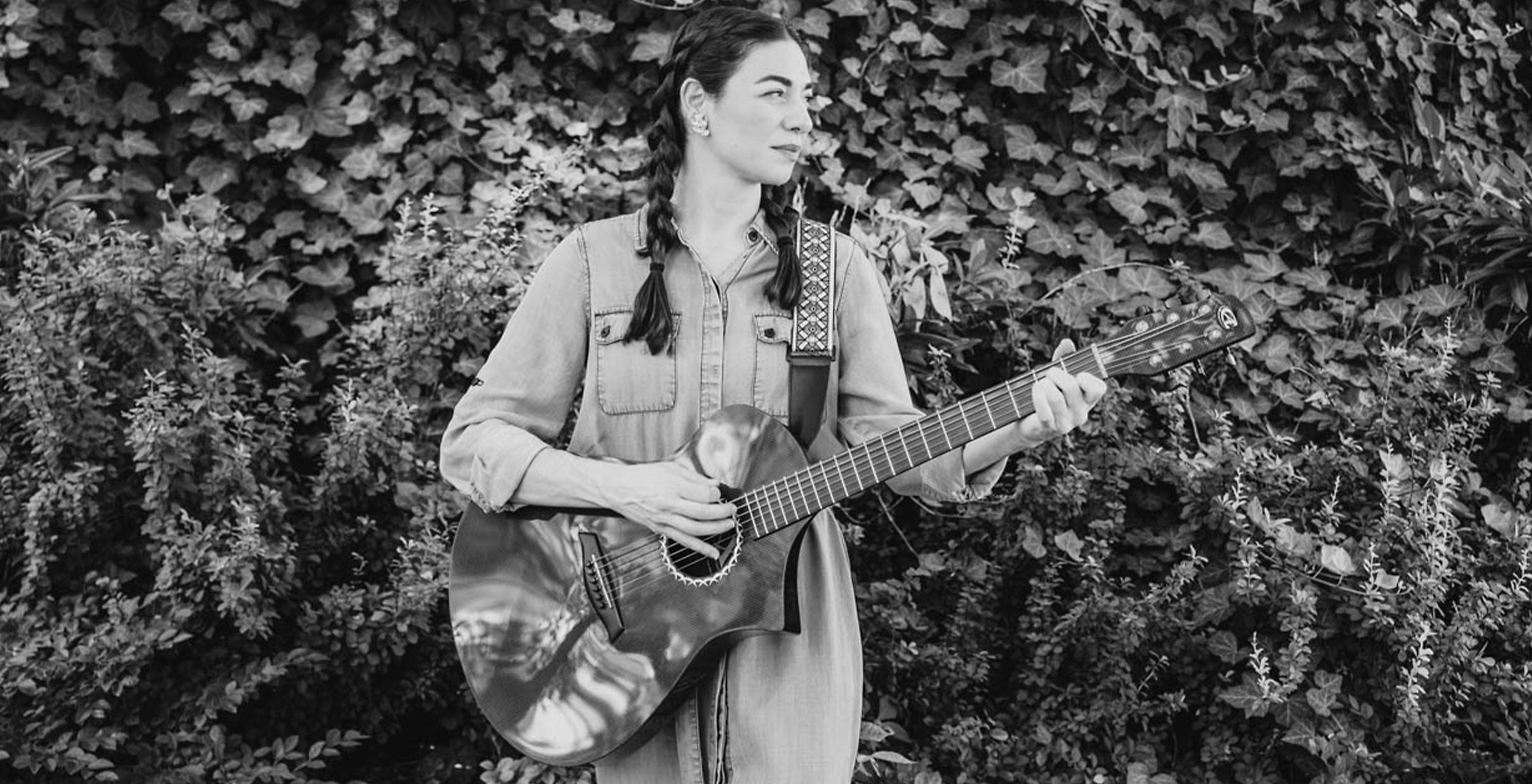
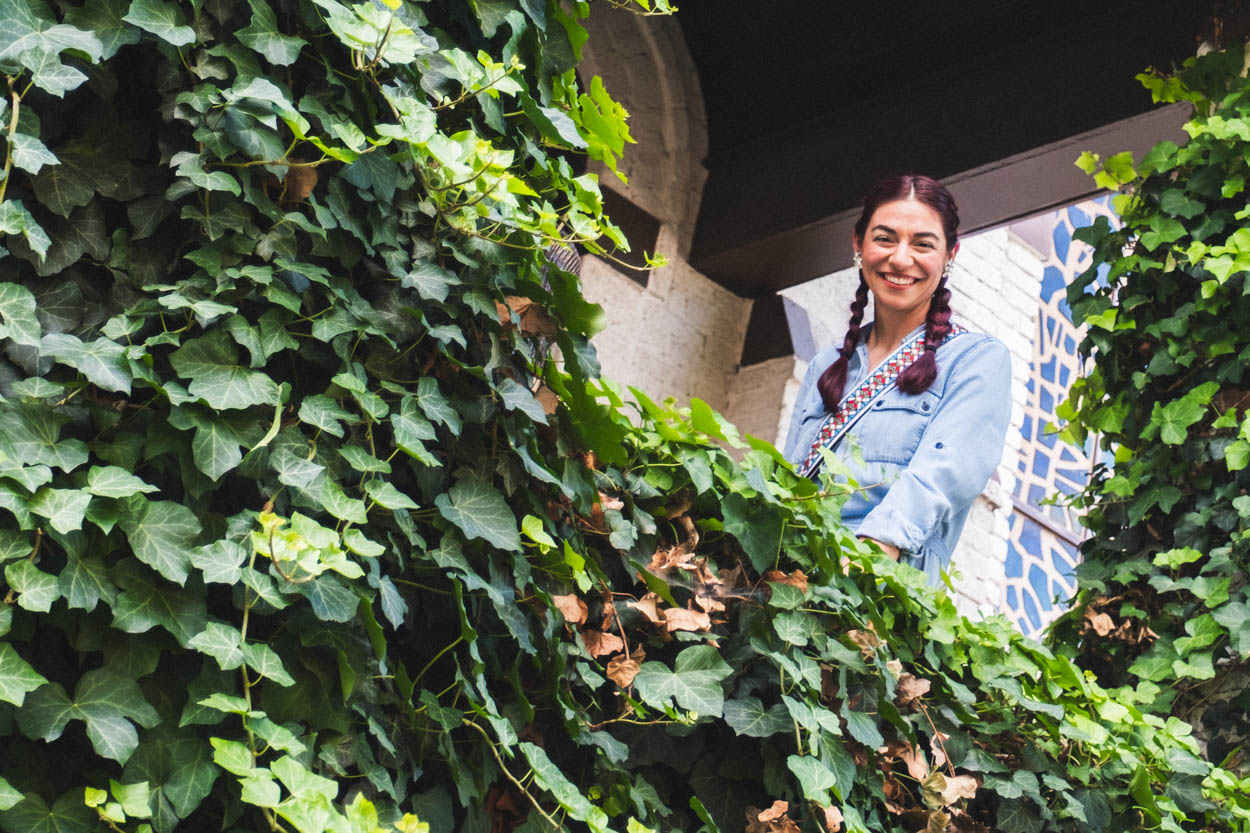
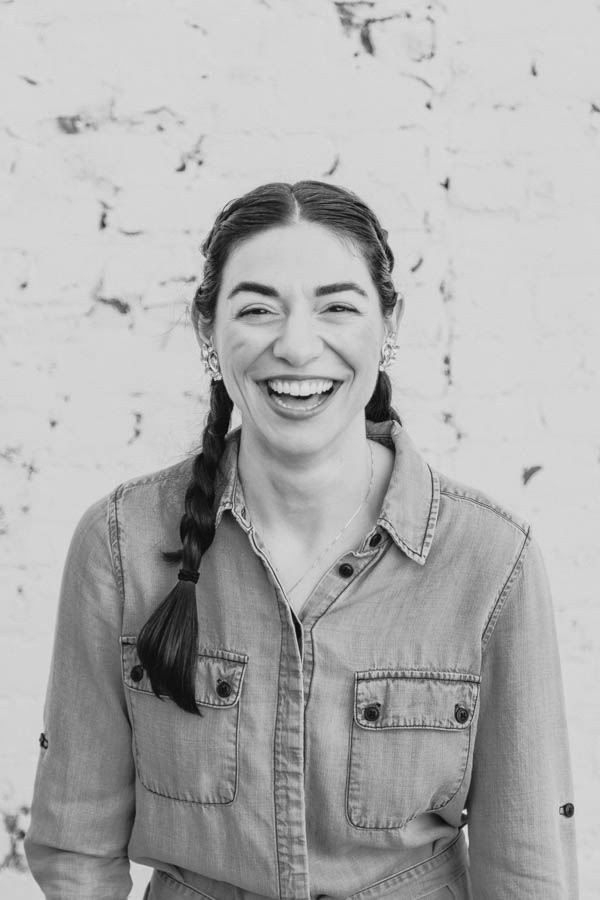
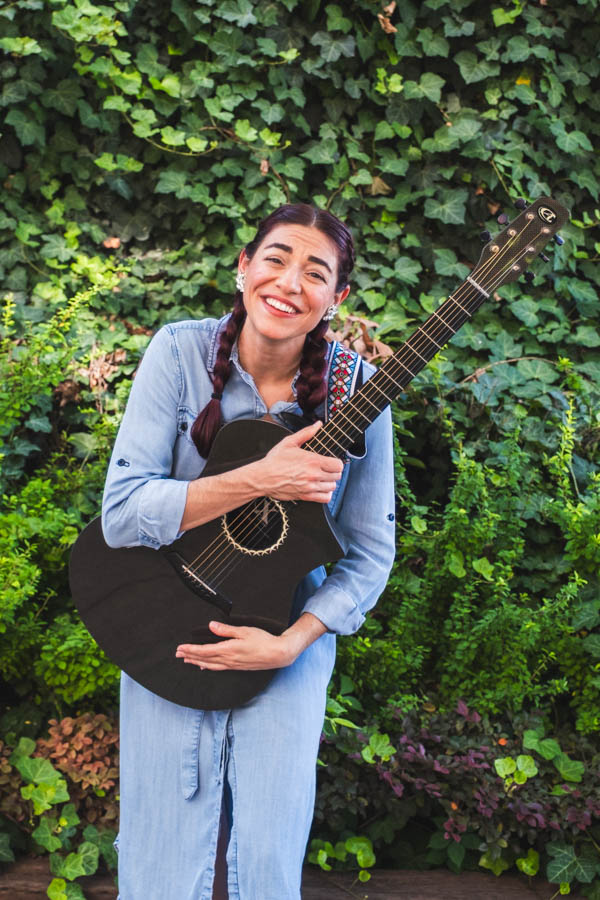
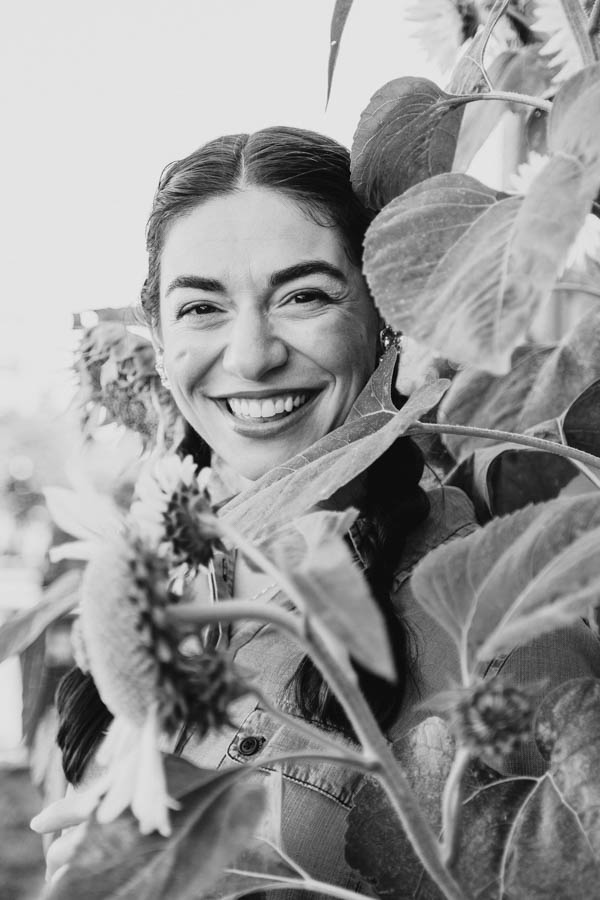
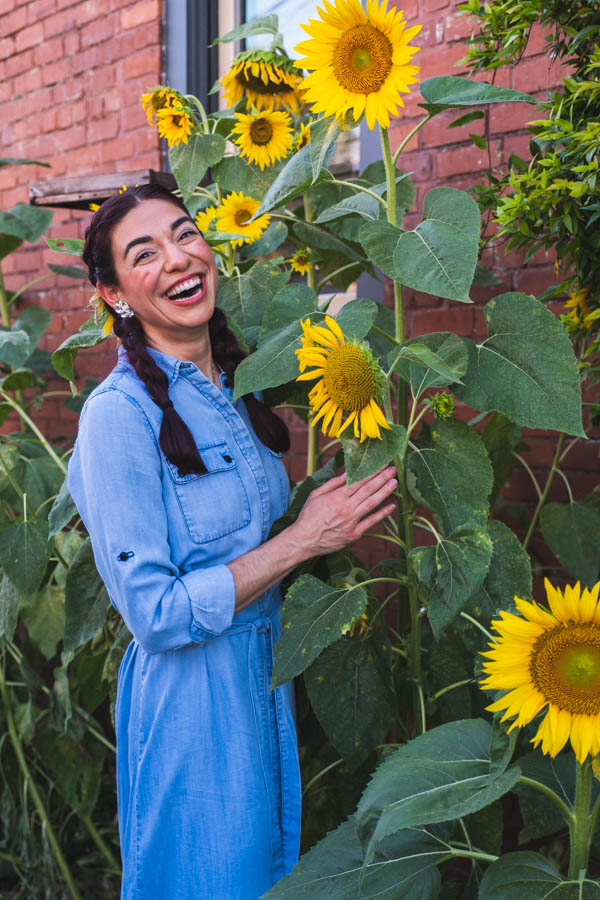
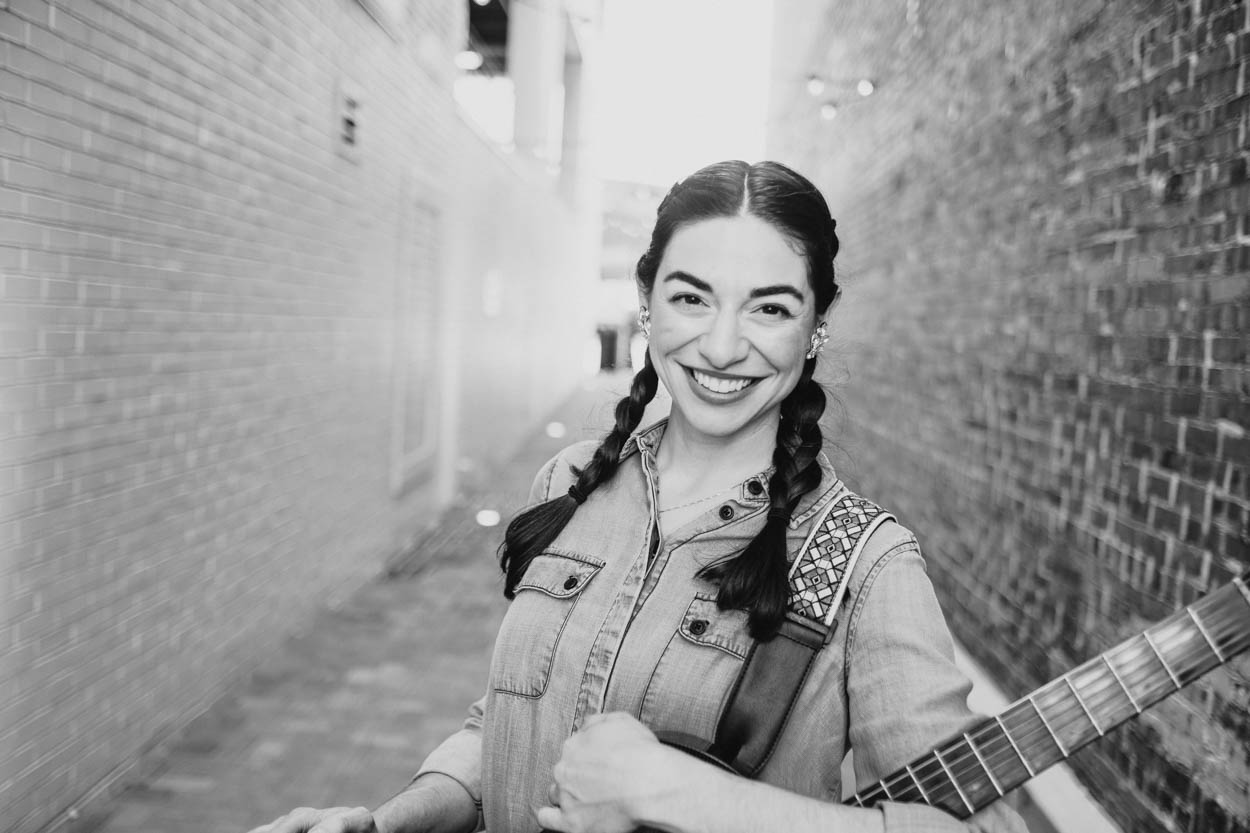
“You can sit anywhere you want – but if you want your life changed, sit in that chair right there.” We’re in the recording studio at Redbud, a multi-use facility that also serves as a rehearsal space and live venue, tucked away in Chattanooga’s Ridgedale neighborhood just around the corner from Yellow Racket Records. Brent Bill, the owner of RedBud and its engineer, has just kindly guided me to a comfortable wingback chair in a seating area behind the control desk. I’m here to interview Teni Rane, one of Chattanooga’s rising musical voices. My hope is to dig into her songwriting craft – where and how song ideas manifest, what her process is along the way, and even where she feels like she struggles and succeeds in the endeavor of creation. Teni grew up here, but still feels she’s finding her feet as a contributor in the Chattanooga music scene in her third year writing, recording, and performing here.
KA: I’d like to start with influences. What people or places sparked music as an interest for you?
TR: I grew up going to Charles and Myrtle’s Coffeehouse, which used to be a big staple in Chattanooga and it’s such a loss we don’t have it anymore. It was a listening room where I was exposed at an early age to incredible writers. That was really foundational for me and how I like to interact with music and what makes it a nourishing experience for me – I don’t love big, loud shows. For me, that’s overwhelming. I’m kind of cat-like quiet. But I loved Charles and Myrtle’s. I absorbed a lot about songwriting there, especially the poeticism of songwriting and storytelling. And then my dad learned to play guitar later in his life, around 60 – that was really inspiring for me. I always loved to sing, and I still consider my voice my primary instrument. Guitar is a mild inconvenience.
KA: I remember you describing it once as, “I play guitar to facilitate my singing.”
TR: Yes, absolutely. It’s something I do want to get better at, but it’s not what I focus on. I focus on control and nuance and emotionality in my voice.
We talked at length about the format of early music listening; both of us were fond of the dominant days of 6-disc changers in cars and Case Logic CD sleeves you velcroed onto your sun visor. She and her sister grew up belting out Fleetwood Mac, Eagles, John Prine, Nancy Griffith, and Carole King at the top of their lungs in their family minivan on road trips. Interestingly, she acknowledges that these days she listens to music with an intentionality that almost precludes casual enjoyment of it. She’s no longer just passing time with music; in fact, she holds time as precious and generally eschews the idea of letting time pass without intention. These days, her listening is a dedicated learning process – she’s mining other artists’ approaches to vocal expression, lyric structure, and production value. This turns our conversation toward song origins.
KA: Is there a place songs generally start for you? Were you writing songs before you played guitar?
TR: I was writing, like…poems. And then I started putting them to music when I could, clumsily at first, certainly. I always enjoyed little poem-y things. But I don’t think I’d have called them songs at the time.
KA: But now is it instrument, melody, then lyric, or something else?
TR: Whenever I’m writing, lyric and melody come at the same time for me. And I really struggle not to do that – so that’s been interesting as I’ve done more co-writing and collaborating with people.
KA: What’s the struggle there?
TR: To allow only one or the other. So there are people who write lyrics with absolutely no melodic thought or anything except for these are the words and we’ll figure out a melody later. That hurts me inside. I’m not comfortably capable of writing lyrics if I don’t know where they live.
KA: Do you collect things for songwriting in any way? Voice memos, journals, found-phrase bank in a Google Doc?
TR: I collect little ideas. I have voice memos, Google Docs, random little notes lying around. Oftentimes the things I’m noticing are the phrases that stick out to me and even melodic choices in terms of how they approach emotion. Then over a season I can look over this whole collection of things I’ve been noticing and writing down or recording and it’s like, “Oh, this is the question I’m trying to answer right now.” Whether it’s about a place or a connection, I see the broader picture of all these things I’ve collected. They start to coalesce and then a song happens. That’s the most common experience I have with it. Sometimes we don’t know what question we’re asking, and that’s where the collecting comes in handy. So some songs just sort of happen. They kind of fall out, and there they are. Some songs are pulled from different places and different moments. And then some songs, I’ll write more specifically to a brief, where I know what the song needs to hold, whether it’s an emotion or a storyline or whatever. That’s been interesting because it gives me a parameter, but also gives me a lot of freedom to still move with lyric and melody at the same time, which I appreciate.
Teni tends to write from deeply personal places. As a music listener, she finds herself disengaging a bit when an artist prefaces a live performance of a song by sharing the full story of the lyric; it suddenly feels repetitive, being narratively informed and then listening to the same story in song form. She prefers an opportunity to interpret the lyric herself, and enjoys the songwriting challenge of leaving room for listeners to interpret her lyrics through their own lens. Her most recent single, Secondhand Memories, required uniquely delicate writing to avoid locking the listener into Teni’s own story, as she relates the experience of an adult child seeking understanding of a parent’s early journey. The resulting introspective energy invites the listener to explore their own relationships, rather than just hers. As we turned to talking about the practices songwriters often engage to intentionally carve out regular time to write, I’m surprised to learn she doesn’t allow hers to formalize into a predictable routine.
KA: What are your most basic songwriting habits? Do you record every idea, or is there an “every Tuesday is rough draft day” pattern, or other things like that? What are those rhythms?
TR: They don’t exist. I have been pretty intentional about not forcing myself to sit down and write. I will say that one thing I do make sure to do – and feels important to me – is read. I read real, physical books where I can see words and I can feel how those words sit on the page. And I get exposed to words that I wouldn’t get exposed to in the flow of everyday life. We don’t use nice, pretty words when we’re talking to each other, usually. So I read, and read a wide variety of things. I read non-fiction, fantasy, poetry…and I will lean into books about songwriting as a genre every once in a while. And that’s part of my very, very, very loose practice of songwriting, just keeping words in my brain. Outside of that, I write when there’s something to write about.
KA: Any songwriting rules for you, whether permanent or temporary, maybe about words, themes, or even the musicians you have around you?
TR: I would say that whether across a song or across a whole album, I do try really hard to not reuse words. Or not reuse an image unless it’s really intentional because I want those songs to be linked together somehow. When we were working on a recent sync album the image of a phoenix kept coming up and I was like, “We can only use it once y’all. Which song do you want the bird in, because I’m not letting it be in two.”
I do try to be quite intentional about the spaces I go to and the people I’m around. That’s a songwriting practice, but it’s also just a practice for life. I don’t lock people out of my world, but I am very comfortable with a relatively small world, and it being filled with things that feel nourishing. I do think that songwriting is impacted and influenced by whether you’re in good health and mind and body. I find it incredibly important to be connected to my body in order to write well. So I focus on making sure I’m going to my dance class once a week, getting a daily walk, going to the gym, taking care of my voice, sleeping well, eating well, and not filling my body with unhealthy things.
KA: Any aspects of songwriting you wrestle with the most or are trying to improve in right now?
TR: I’m always actively pursuing better understanding and connection to my own voice. There are so many things I want to be better at. I received feedback at a songwriting competition that my lyrics, melodies, and voice were incredible, but they didn’t rate me highly because my guitar playing didn’t keep up with those things. I’d love to never walk on stage with a guitar again, to have a band that handles that. I do recognize that my self-taught style of playing limits my songwriting when I’m writing by myself. When I’m working with a co-writer who has a broader guitar palette, different songs can emerge. Things I wouldn’t write on my own because I’m inherently limited by what I can do. I think this is a big growth edge for me because I’ll realize I have a melody that’s really beautiful but I don’t know how to support it with chords, so I sacrifice the melody to go with what I can do. I would love to never do that again.
KA: Where do you feel like you’re succeeding? Where do you feel like you thrive in the process?
TR: When I’m standing in front of a microphone in the studio. It’s such a comfortable place for me. I have so much more to learn, but I’m good at it. I have great pitch and timing and it feels really natural and comfortable. I think that’s where the pull comes from. It’s like, “I want to do that.” Just bringing songs to life.
KA: Last question: who are three to five local Chattanooga artists you think Hearsay readers should be checking out if they haven’t?
TR: Alva Leigh; her work is so beautiful. I also love Call Me Spinster. They’re not only wonderful musicians – they are so kind and beautiful people. I’m a fan of Blake Worthington and his string band – I’m excited to watch them blossom. And I’m a huge fan of everything and anything Adam Stone does.
Teni’s 2024 album Goldenrod is available on Apple Music and Spotify. Her newest single Sail Into The Dark releases June 26 on streaming along with other singles from her forthcoming album Never Turning Back, due out September 4. Presave her album now, and mark your calendar for her album release show at Redbud on September 3.
Kevin Alton is a writer, editor, and researcher, active in the Chattanooga music scene since the nineteen hundreds. Follow him on IG as @thekevinalton
“The best way to get to know any bunch of people is to go and listen to their music.” - Woody Guthrie
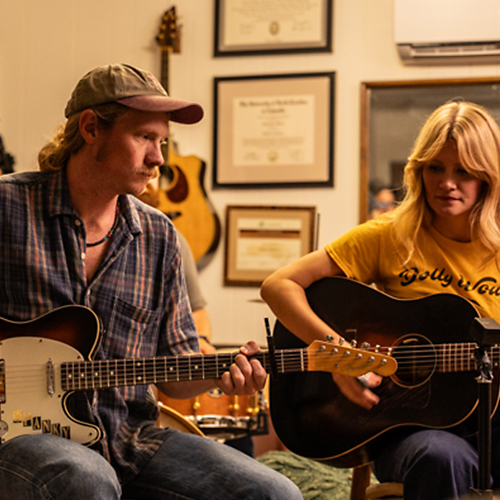
Hearsay Presents: Brother and The Hayes live from Taylor's Practice Room
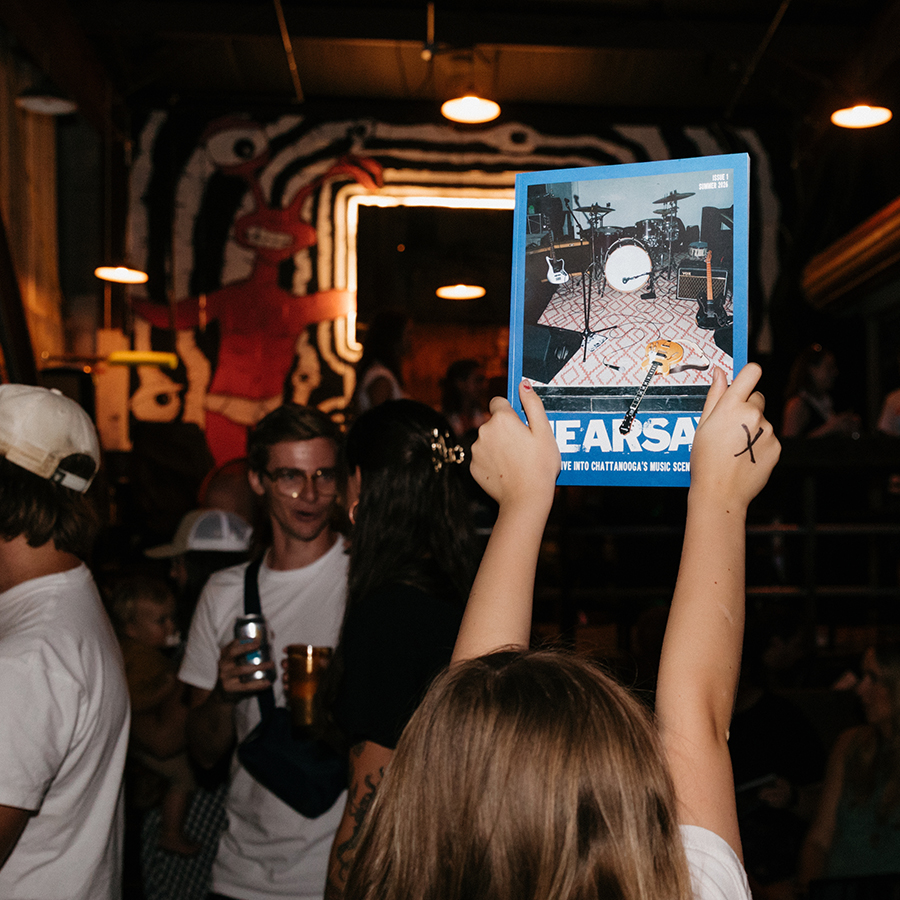
We had a release party for our inaugural print drop! Were you there? If not, we have some photos for you to check out!