





September 20, 2026
Music
Music

“The best way to get to know any bunch of people is to go and listen to their music.” - Woody Guthrie

Written by Pinkfone -
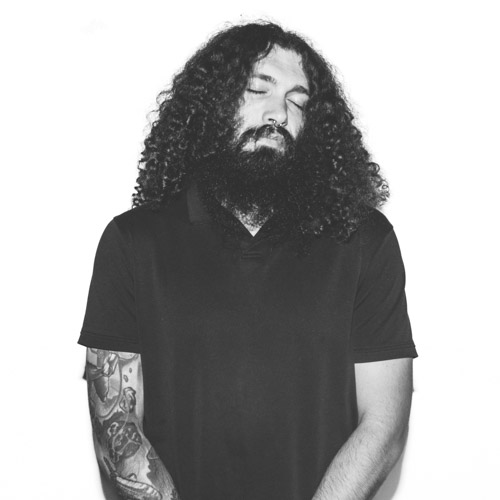
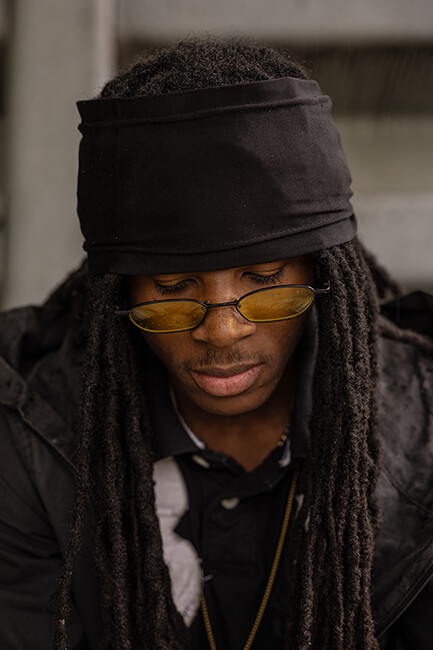
Lux Hikari Photos by Jake Hamby
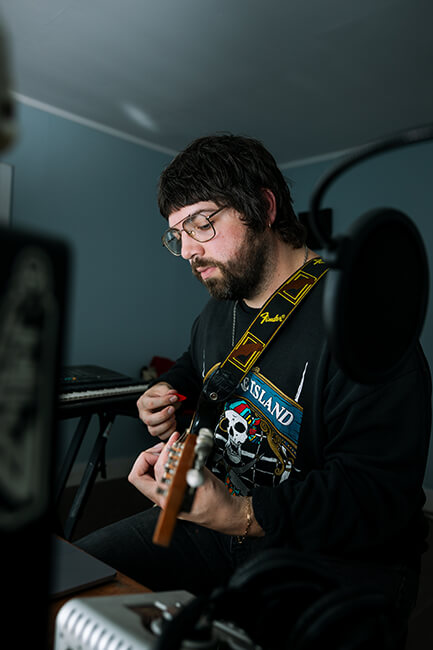
The Ego Museum Photos by Tessa Voccola
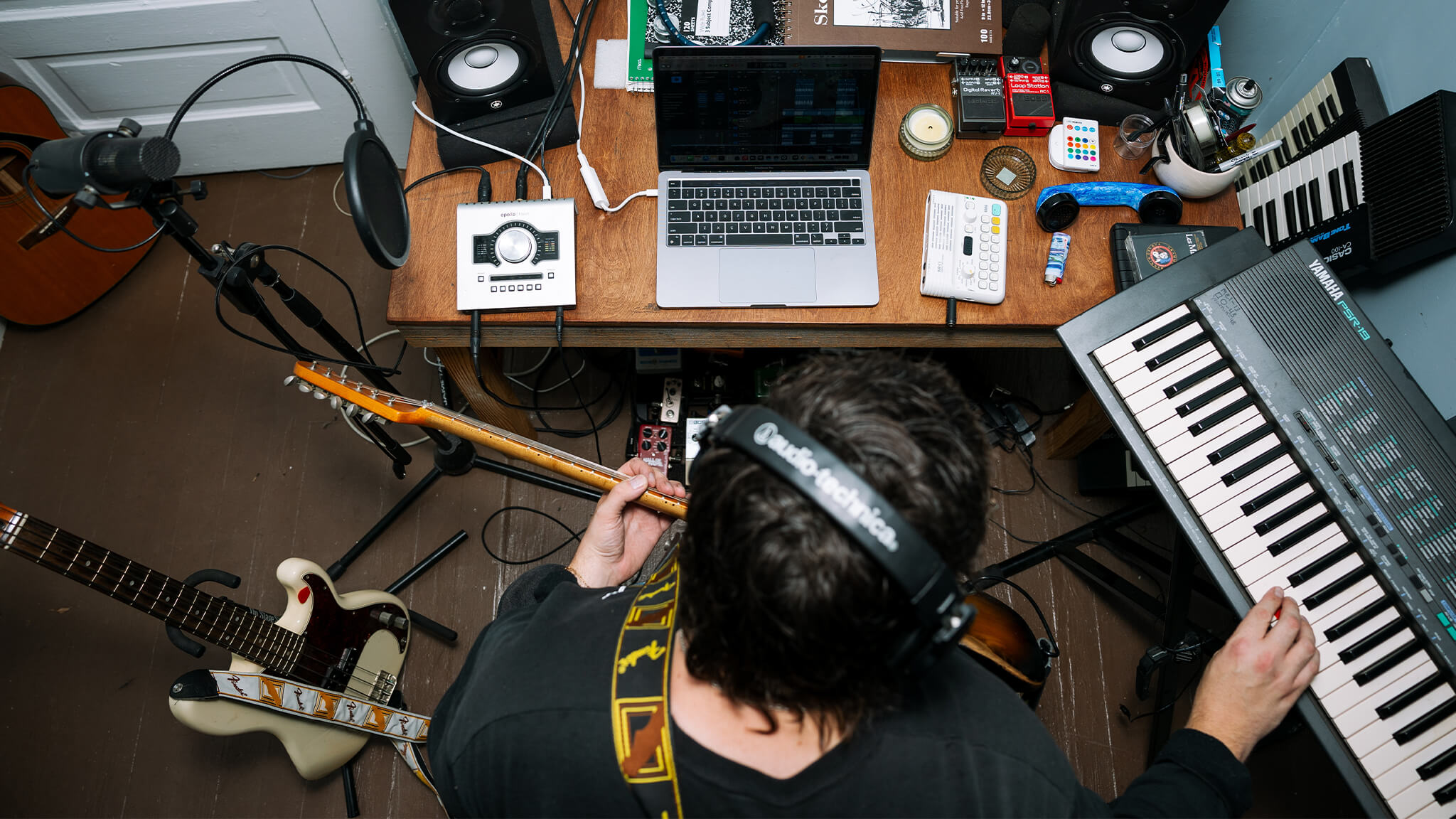
The internet has become an inescapable force in music and I don’t think we talk about the implications this has on artists and local scenes enough. The internet offers artists the paradox of possibility and exposure set against a sea of infinite noise and a ruthless competition for attention. Bedroom artists provide us with a window into the nature of artistry in the digital age. The ways in which people perceive and interact with music have changed massively in the 21st century, and trends like streaming, online collaboration and interaction, and multi-vertical integration were cemented as widespread norms during COVID. Those effects can be seen in every local scene across the planet as this new reality has changed the way music is produced and distributed. When a hit song can be produced from anyone’s bedroom on a smartphone or a laptop, we need to look beyond the stage to find the next era of artists and musicians.
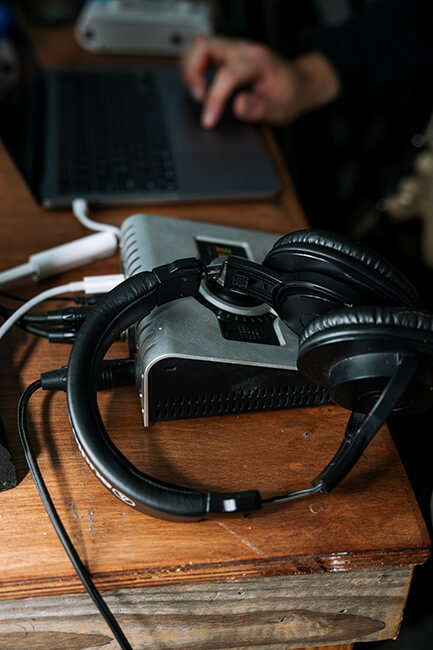
I would describe myself as a bedroom musician, as I started making beats in a New Orleans bedroom over ten years ago. I’ve lived in Chattanooga for four years now, and I used the same basic skills that I taught myself in my bedroom to find a place in the local music scene, as I now produce and host a radio show for WUTC from my home studio. Reflecting on my personal journey made me wonder how other local bedroom artists have experienced the changes to the music industry.
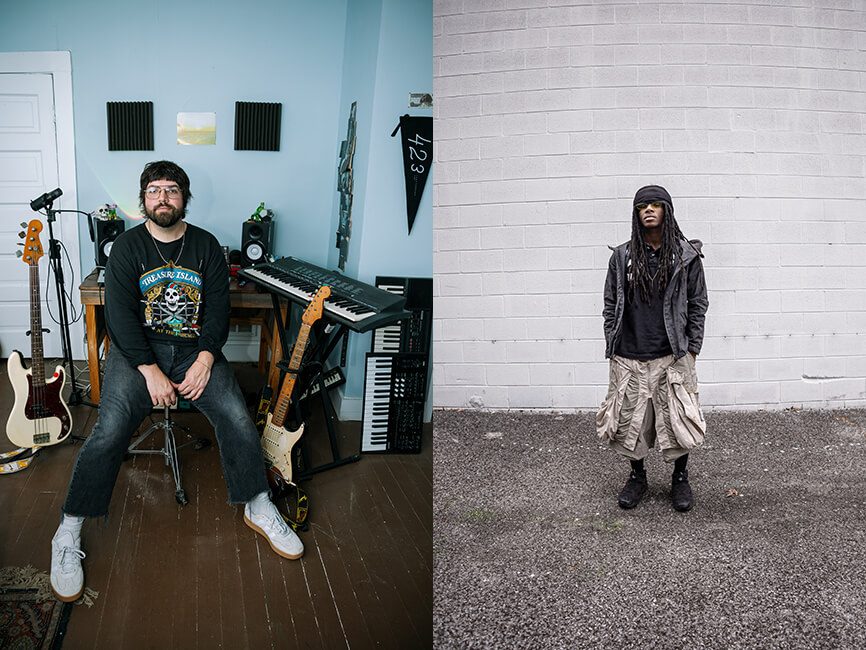
In April, I met with a pair of local bedroom musicians over Zoom to discuss the state of music in Chattanooga and beyond. Lux Hikari and The Ego Museum are both bedroom musicians who I had came across while exploring the local scene online. Online platforms have become integral to experiencing music, both globally and locally, and I initially discovered both artists on Instagram. Bedroom music isn’t so much a genre, as it is a process and relationship with music. Musicians like Lux Hikari and The Ego Museum work on creative projects from home studios and distribute their music and work online. This relationship between the artist and the online world is the backbone of the bedroom scene and the aspect that interests me the most. Streaming and social media have put new pressures on artists, and musicians have been forced to adapt. Some artists embrace this new digital hyperreality more than others, but in the end, every artist must determine their relationship to the internet for themselves and find their own way to navigate it.
The term bedroom musician used to be a dirty word. Artists who embraced the disruptive potential of technology were labeled as unserious or relying on cheap gimmicks to gain attention, but the methods of early bedroom musicians are now widespread in every genre. Genres like bedroom pop and SoundCloud rap pioneered an approach to music and the internet that relied on laptop-based production and utilized social media to bypass norms of the traditional music industry. The democratizing effects of technology have blurred the lines between professionals and amateurs, and between independent and signed artists. This evolution has changed the way that music works at a local level as artist now have the option to bypass the local, physical scene to pursue an online audience. Even artists who chose to focus on their local scenes have to utilize global marketing and distribution platforms to reach local audiences, and musicians now compete for attention against the entirety of new media. Musicians and artists are judged by follower and listener counts, and fans have been primed to expect consent uploads from their favorite artists. This tension between physical and digital spaces is something, I presume, that can be felt by all artists working today, and I wanted to explore how Chattanooga area artists are dealing with that pressure and how that informs their work and process.
Lux Hikari is the first artist I would meet with over zoom as I prepared this article. I had found Lux Hikari several months ago as I was looking for local artists who would fit on my radio show. I play hyperpop and underground hip hop on my show, and have included Lux Hikari’s music in several episodes. Along with music, Lux Hikari also makes gaming content under the tag @luxdre_hikari, and his stage name actually comes from a gamer tag he has used for years. Lux Hikari started making music during COVID, as he explained “I had a little money, and was kind of holed up in a house, and I was like ‘I want to build a computer’, and I used that as a workstation to finally get into all of the things I always wanted to.” Lux was pushed to pursue music by a friend he met through gaming. “We would always talk about what we wanted to do with life, and he was actually a producer and he would send me a lot his beats.”, he told me. Unfortunately, his friend passed away during Covid, but Lux had a lot of his beats and thought “I want to leave behind a legacy in support of my friend”, so he made his first music project, Captain Chase, as a vocalist with the beats his friend had left behind. Gaming also informs his music, from the sounds he uses in his production to the themes uses in the lyrics, singing “there’s no game over if you don’t accept the end” on his song RESET. Lux Hikari mainly makes Hip-Hop, but lately he’s been “really diving more into the electronic sound of things”, and finding inspiration in Drum and Bass of the early 00s.

Coming to music later in life, he didn’t have a lot of contacts within the Chattanooga scene, and he “never really knew where to get [his] foot in the door” and therefore spends a lot of energy and focus on internet communities that he feels like he relates to better. Despite, or maybe in response to, the lack on an in-person network Lux Hikari has developed a DIY process. He explains “I really knew no other way to do it. I didn’t have any contacts with any producers or any artists in Chattanooga. I was just kind of just on my own, which is mostly kind of how I learned to do mostly anything in my life, to be real. And so I learned how to produce, I learned how to mix, I learned how to engineer.” Recently, he has been leaning in to Chattanooga’s strength, telling me that “Chattanooga has a lot of good producers”, and several people in the local scene have “produced some hit songs for big-time rappers”. Lux Hikari has been finding his place in the scene more as he positions himself more as a producer, and attends local events like Pass The Aux at WaveLength Studios.
The DIY sensibility displayed by Lux Hikari and his approach to music is one of the defining features of bedroom music. Bedroom music, and thus local music worldwide is increasingly produced through a networks of artists sharing files, and utilizing technology to communicate and collaborate. Online collaboration and interaction have become a key feature of music production and consumption in the 21 st century, with local scenes being experienced online as well. Even those who try to focus on the IRL aspect of their local scenes can’t avoid the online reality of music completely.
A few days later, I met with Chris Johnson of The Ego Musuem over a zoom call. Chris is a digital native musician who takes a more local focus to his work. Chris embraces the traditional markers of bedroom music, and has utilized his home studio to build a creative identity that doesn’t completely rely on the demands of the online world. Chris makes music for himself, an evolution that has come about as he’s let go of of the idea of “playing massive shows and making money”. He expressed a common sentiment that I have heard from artists, many of whom decide to focus more on the work of developing their musical talents over building a constant online presence. Chris embraces a DIY ethos, and explained to me a solitary process for writing songs, saying it’s “just me in my studio with all my toys and shit, messing around.” Chris makes what he describes as dream pop, and has been focused on finishing a new and releasing a new project called A Moment Of Sadness, Of Anger, And Of Doubt late this summer.”
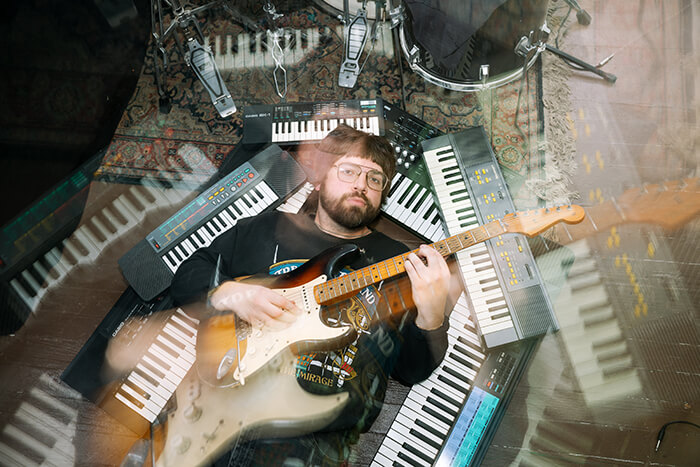
The individual nature of his process lends to a self-reflective character to Chris’ work. “It’s therapy.” He tells me, “It’s my release. It’s my way of trying to figure out of how to process what’s going on in my heart and my head, and how to get that out in a way that feels fresh and fun to me.” The self-reflective nature of his work come through in his music, with themes of anxiety and loneliness being showcased with raw vulnerability on his 2024 album, I Try to Cry When I Can. Chris is a veteran of the local scene, who has been playing live shows in Chattanooga for a decade. Chris leans on his local audience, but still the digital environment adds extra dimensions for him to navigate and manage, and provides an extra struggle to work on the creative, administrative, and marketing sides of a musical career.
Both artists expressed a similar sentiment, as Chris did when he told me the challenges he faces, “I don’t have the people or energy to push both being an artist and also a businessman and content creator for myself, because there’s only me behind the project.” Reflecting on the changes that he’s seen in the music landscape over the years, he continues “it feels more overwhelming now, because it’s nonstop, and you’re in charge of every aspect.” The 24-hour attention hold that the internet holds over our collective attention means any individual artist is competing against an endless sea of content for the chance to get in front of a potential listener or fan for a few seconds. This new hyperreality has shifted the music landscapes, both digitally and locally. Local artists are forced to think digitally while acting locally, as Chris explains “people don’t even really get information about the local community anymore. Unless I see it on some of my homies’ Instagram stories, I don’t really know of shows that go on in town.” As we talked about the evolution of the social media landscape and the additional expectations it has placed on artists, we both agreed that there have been both positive and negative changes, and Chris concludes that “It definitely feels a lot harder now than if you were to look at it like 20 years ago. The internet is so over-saturated, and it’s very easy to get lost in the algorithm.”
This has pushed Chris to really focus on the here-and-now in his local community. He’s a veteran of the local scene at this point, “making music is the only thing that really makes sense to me”, he tells me. “It’s my outlet, and I think I’ve come to terms with just being okay making records for myself, just to make things.” Chris been reevaluating his relationship with music, and although he mentioned a desire to collaborate more with others in the local scene, he is content with where he is currently in his music career. Chris spoke a lot about the advantages of the Chattanooga music scene, and how supportive it is for artists and musicians, saying “Chatt definitely gives space for artists to figure out their sounds, vibe, and what they want to do without a lot of pressure on it.” He continues to say, “I feel like people in Chatt are very receptive to whatever you’re doing. So, I think the bonus of being here is that people are just excited about people making shit.” Chattanooga is certainly presented with some opportunities in the streaming age. Nestled between two cultural hubs in Nashville and Atlanta, the city is positioned well to take advantage of the decentralization of creative industries. Chattanooga’s smaller size and cheaper cost of living lends to an accessibility and easy-going nature that larger scenes simply cannot offer.
Music has undergone massive changes in the last few decades. Music is something that is fundamental to humans. It has grown increasingly fragmented, individualized, and isolated along with the rest of society and culture. Bedroom musicians are at the forefront of this revolution and their adaptations reflect the changes in society at large. Even here in Chattanooga, we should to look beyond the stage and studio to find the true nature of our local music scene. Artists like Lux Hikari and The Ego Museum exemplify the spirit of the moment, with one leaning more into the online space while the other has decided to focus their energy on playing live and fostering in-person community amidst the noise of the internet.
Local Artists featured in this article:
Lux Hikari
IG: @luxdre_hikari
The Ego Museum
IG: @theegomuseum
pinkfone (author)
IG: @pinkf0ne
pinkfone is the host and producer of FUTURESCAPES, a radio show showcasing hyperpop, rage, and
underground music on 88.1 WUTC. Currently airing every Friday from 9:00 – 11:00 PM.
“The best way to get to know any bunch of people is to go and listen to their music.” - Woody Guthrie
Hearsay Presents: Brother and The Hayes live from Taylor's Practice Room
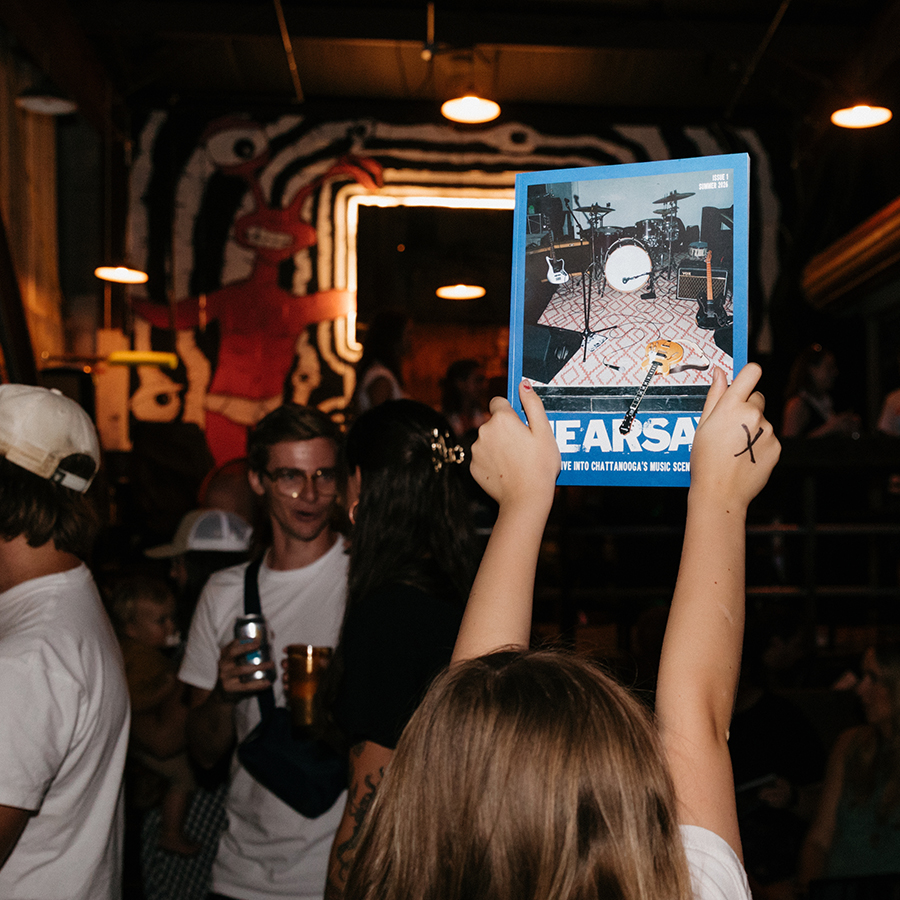
We had a release party for our inaugural print drop! Were you there? If not, we have some photos for you to check out!