September 20, 2026
Music
Music

“The best way to get to know any bunch of people is to go and listen to their music.” - Woody Guthrie

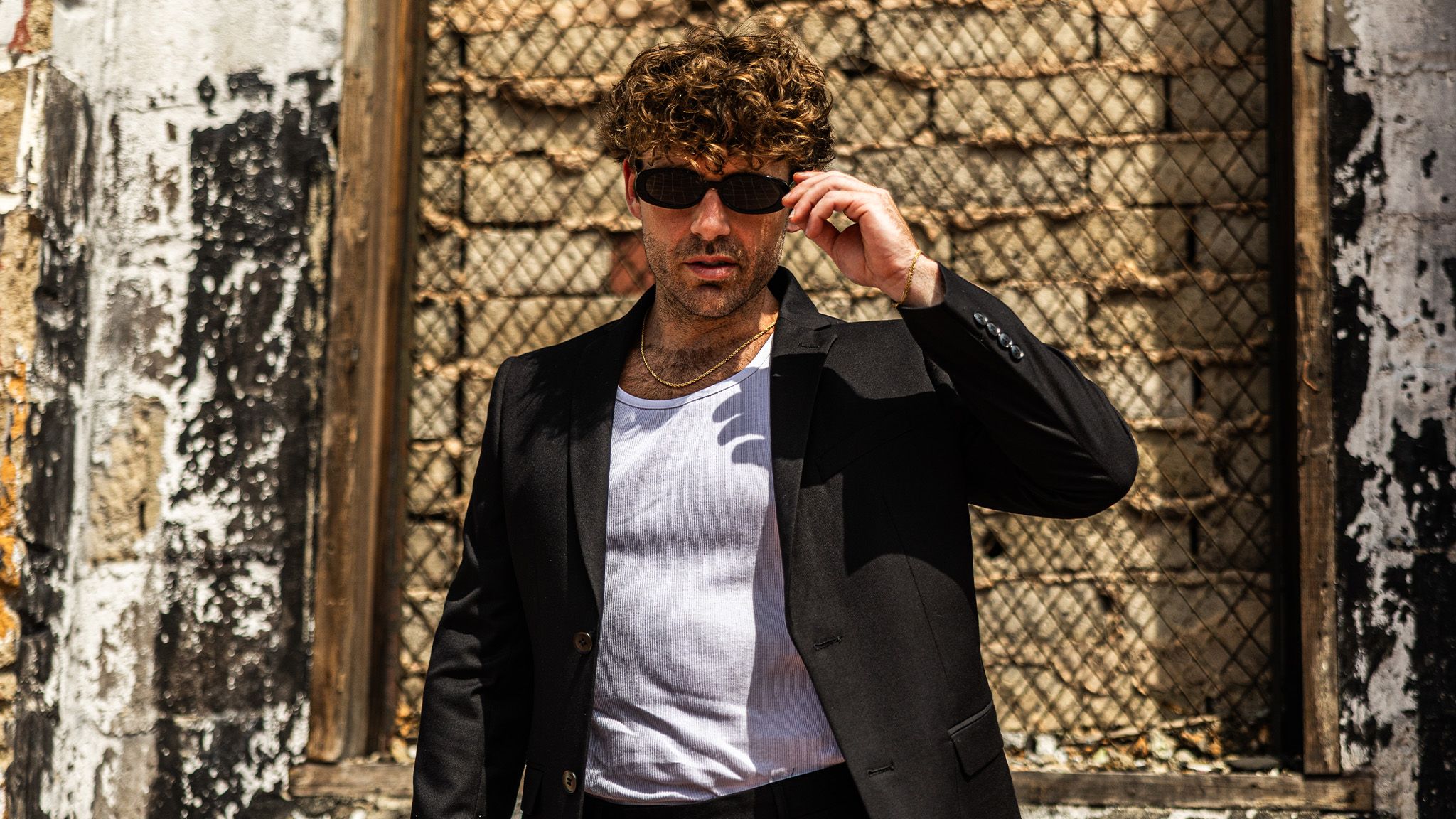
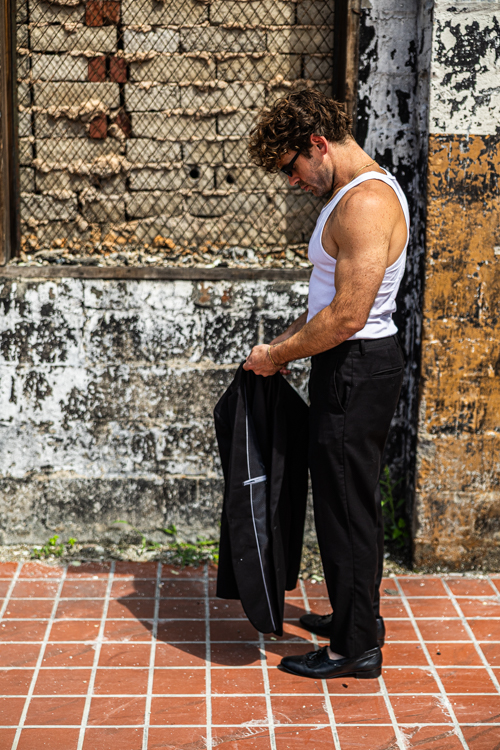
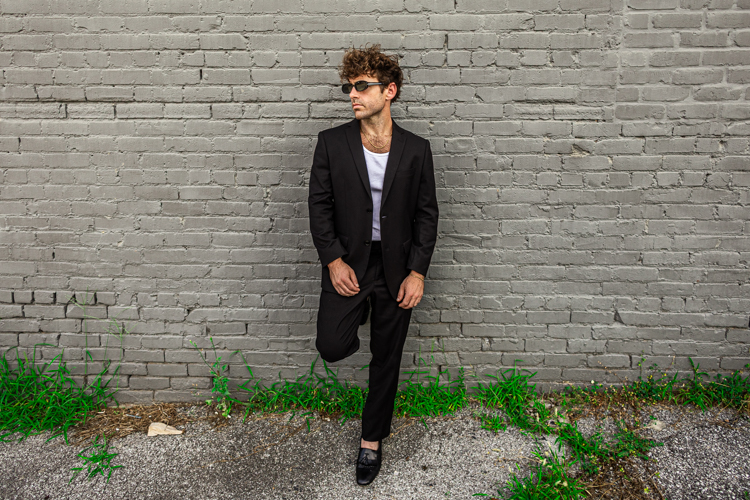
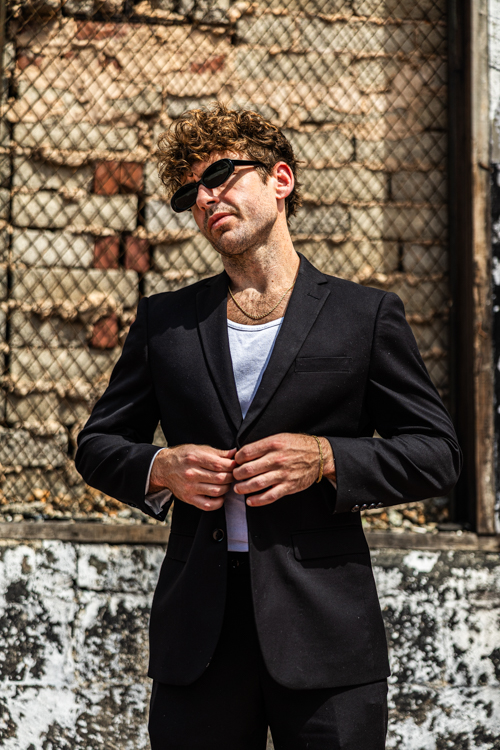
Music was virtually inescapable for Jack as a kid, growing up with a dad on the radio and a family full of singers. Jack picked up a guitar at 15 as a starting point for finding his own voice, and from there it was a slow burn through instrumentation, makeshift studios, and trusting his earliest output to SoundCloud on his way to working in professional studios. The act of song creation is now therapeutic for him, a repeated theme as we sat down at Hearsay’s offices to chat.
KA: Where did things turn for you from music being an aspect of family life to something you wanted to pursue individually?
JT: There was a lot of Christian music early on with my parents in the choir at church, so that was an initial influence. But I can still remember at five years old hearing my first hip-hop record – Nelly’s Country Grammar. It was just a new sensation and that feeling kind of overtook me; so cool and smooth and bouncy. I still listen to all kinds of music, but I’ve never stopped listening to hip-hop.
KA: Do you have any primary non-musical influences that turn up in your songwriting?
JT: I was always a huge fan of football and grew up playing sports. I think that’s where I got a chip on my shoulder and a kind of hard-work ethic, discipline, and even swagger. Pop culture was an influence too; I wasn’t a huge reader back in the day, but I was a big movie fanatic. We were big into comedy and watched a lot of Jim Carrey and Adam Sandler, which was interesting because our parents were strict about what music we could listen to, but there was more leniency around movies. Honestly, I get so much inspiration just from being outside and practicing the art of awareness – like studying and appreciating the uniqueness of a single tree, that kind of thing. Just noticing things and slowing down to soak in energy or the feeling of things.
KA: How do you get into that place where you’re able to sit quietly and just notice things?
JT: My life can be so chaotic – I find myself having to hustle between places and at times I put too much on my shoulders. So it’s a dedicated effort to slow down. I do yoga and go to the gym a lot. That’s another form of therapy for me, just listening to my body, my breath, and my mind. It’s like really tuning in, because I’ve realized the creative process itself is so unpredictable, magical, and mysterious that sometimes the only foundation is you and how you show up day to day. So if I were to show up to the studio after not working out for a few days or just having my mind somewhere else, the music is going to suffer.
KA: Where does the beginning of inspiration for a song tend to show up for you?
JT: It comes in all forms. It could be as simple as… like I literally recorded a voice memo on my way here from Whole Foods, which is maybe a three minute drive. A melody popped into my head I didn’t want to forget. Or sometimes I’ll go into the studio and my producer will already have a track in mind for me, and I’ll just sit with it and try to notice what emotions arise. It’s hard to describe the process because it shows itself in so many forms. It’s like a weird energy that we’re just channeling. Sometimes it moves from feeling to melody to lyric, but it’s not always like that. I can’t tell you how many times a melody has just popped into my head. I know there’s an argument that it’s from all the music we’ve heard getting resurfaced in something new, but I think so much of it is just an unpredictable element, like a gift from God or the universe or whatever you want to call it.
KA: Beyond voice memos, is there anything you collect for songwriting?
JT: I journal a lot – mostly stream of consciousness, like writing without even paying attention to what I’m feeling. Rereading those I’ll discover things about thoughts and feelings, or even day to day interactions and places I’ve been. So voice memos, journals…it can come from so many different places, really.
As we begin to talk about the foundational context of Jack’s songwriting, our conversation shifts to the benefits and challenges of working collaboratively. Much of Jack’s songwriting first comes to life in a tangible way in the studio, whether here locally or in nearby Nashville and Atlanta.
KA: You mentioned getting beats or pieces from your producer to sit with – is that where the work of song construction begins for you? What are your rhythms of actually writing songs?
JT: I don’t know that I have one. I think it’s very much just a free-flowing experience. Once we’re in there, I’ll do multiple takes all the way through the whole track in its entirety, then we’ll piece together a roadmap, identifying song sections. A lot of times the first thing we’re searching for is the hook, and then build off of that. Once we’ve established the map, it’s a matter of fitting words in, like solving a puzzle.
KA: Is it almost always collaborative for you, then?
JT: Lately I guess it’s been like that more so, but going back to my song Picasso, that one I did all the writing and mapped it out myself from start to finish. I do enjoy a collaborative experience and just getting someone else’s ear on it. I think it’s helpful getting a fresh perspective.
KA: So is it always the same producer, or does it vary?
JT: Yeah, there are multiple. I’ve got my main guy in Atlanta, then I’ve worked with all kinds of producers here in town and some in Nashville. I was doing it on my own from start to finish with lyrics and melodies, and I just started to learn you get a better product when you can put that ego down and allow others into the process. For some people, writing is intimate and they want to be the only person telling their story. I get that. For certain projects, I’m that way too. But I like the collaborative experience because there are so many different kinds of listeners. Your idea of a great song is completely different from somebody else’s, so it’s always good to get more perspectives, in my opinion.
KA: Do you have any songwriting rules, whether permanent or temporary?
JT: If I’m collaborating with someone, I have to have good energy from them. I’m sure you’ve had this experience too, but when you’re in the studio and someone is taking away from the energy… I just can’t. I’m protective of who I let in there and who gets to influence the process. I also don’t like to write things that are glaringly obvious. I like nuance and try to stay away from things that have been overdone or overstated. I’m usually searching for a new feeling. When we get to post-production, we’ve often layered so much up we need some time apart from it or go listen to it in the car and begin to discern what we might need to take away, just being super intentional. We’ll spend hours over the most minute layers that the average listener might never hear, but to us it’s important.
KA: I believe in those unheard elements, though. It’s like a baked dish where you can’t tell what it is that makes it taste so good.
JT: I love the idea of it being a dish, because I feel like we’ve all had a dish that has too much flavor, too. There’s a place for every kind of music. There’s a place for weirdness. But sometimes people want a greasy-ass cheeseburger. Not everybody wants caviar. Certain songs just need to be easily consumable.
KA: Any aspect of songwriting where you’re struggling or actively trying to improve?
JT: I don’t have a music theory background; I’m almost all ear, feeling, and instinct. I’m getting better at it, but I try to avoid reverting to comfortable progressions on new songs. It can also be a strength, though. I know people who are super technical about theory and it can put you in a box. It’s a bit cliche, but I just try to clear my mind and be an empty vessel. Just coming to the table without preconceived notions and just play with the song. I am trying to improve lyrically all the time, but I really focus on opening up to being relatable with my lyrics without watering them down. It’s a slippery slope.
KA: Where do you feel like you’re succeeding right now in your process?
JT: I’ve gotten a lot better at finding the melody, especially melodies that will carry a whole song. It’s so important; it’s like the backbone of the song. When I go back to some of my old stuff it can be a tough listen because I’m like, “dude, what were you doing.” I’ve seen a lot of growth there.
KA: Last question; who are 3 to 5 folks in the local Chattanooga scene you think Hearsay readers should be paying attention to?
JT: Kessler Cuffman at Songbirds; he’s done so much for this community and kids here. On the artist side, Swayvvo has great energy and is always encouraging. How many people do you know that can rap, sing, and then pull up with a sax and knock the place over? Josiah Butcher is an incredible engineer here in town. Ben Green is a videographer with great vision and creative direction. My last is Jackie Sterna – she’s a photographer and so, so, so dope. People come from all over the country to work with her.
Jack’s most recent EP Dollar Signs & Fallen Stars is available on Apple Music and Spotify. You can catch Jack live at Songbirds on July 31, then look forward to his forthcoming EP Insula, due out August 4 and follow him on IG at @jacktatummusic
Kevin Alton is a writer, editor, researcher, and musician, active in the Chattanooga music scene since the nineteen hundreds. Follow him on IG as @thekevinalton
“The best way to get to know any bunch of people is to go and listen to their music.” - Woody Guthrie
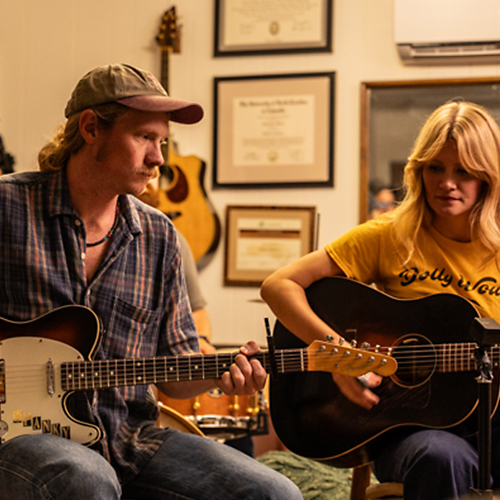
Hearsay Presents: Brother and The Hayes live from Taylor's Practice Room
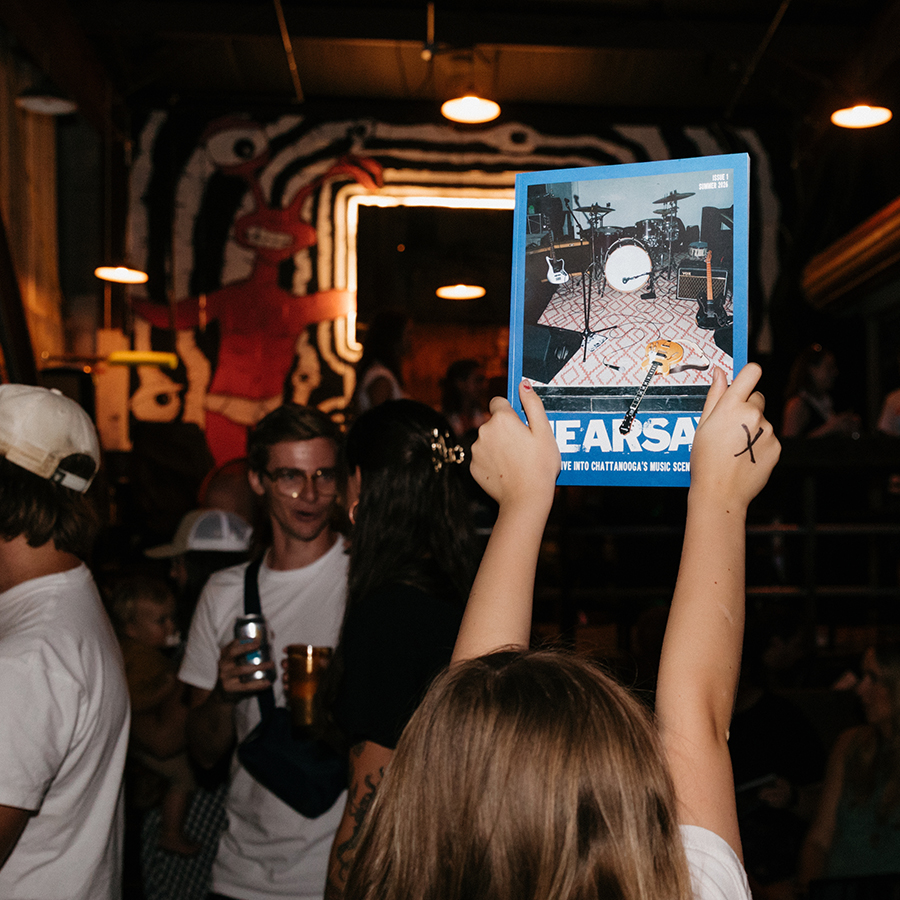
We had a release party for our inaugural print drop! Were you there? If not, we have some photos for you to check out!